
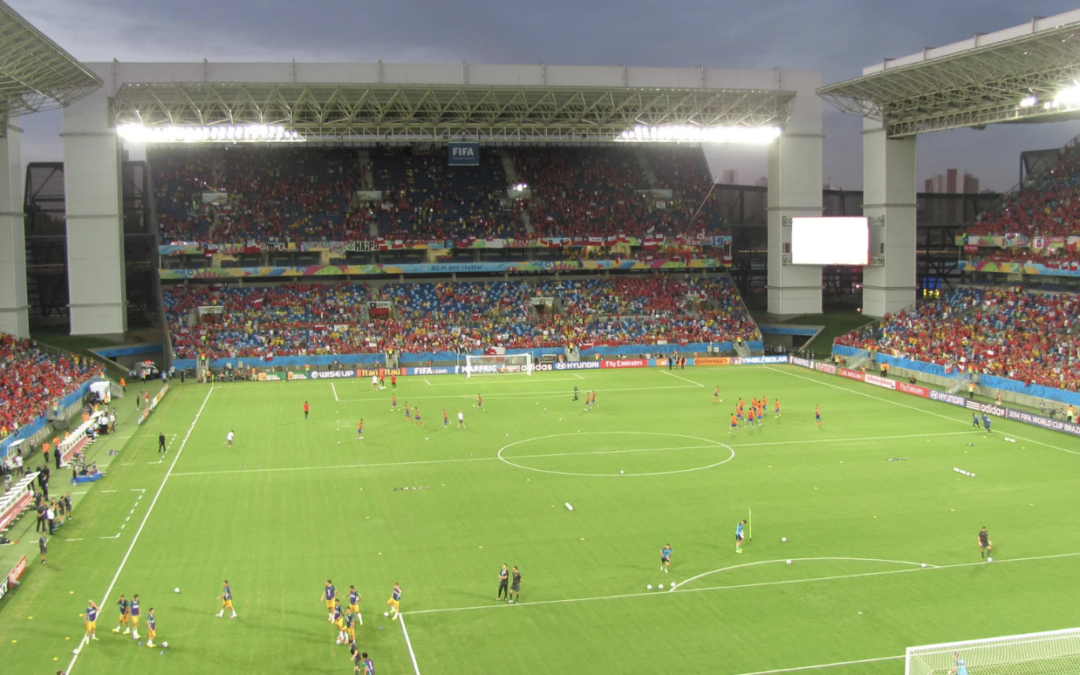
Why the world’s biggest sporting event is never just about soccer
The FIFA World Cup is the single most watched sporting event on the planet. Every four years, billions of people pause their lives, workplaces shut down, and entire countries emotionally unravel over a ball, a goal, and a referee’s questionable judgment.
But beneath the chants, flags, and national anthems lies something far more complicated.
The World Cup is a mix of sport, politics, money, nationalism, mythology, and—yes—conspiracy. And that’s exactly why it captivates the world.
How the World Cup Was Born
The first World Cup took place in 1930 in Uruguay, long before global TV rights, luxury hospitality packages, or Instagram travel reels. International travel was slow and expensive, so only 13 teams participated.
Uruguay earned hosting rights by:
- Winning Olympic gold medals in 1924 and 1928
- Agreeing to pay for teams’ travel
- Celebrating 100 years of independence
They also won the tournament, defeating Argentina in the final — instantly cementing football as an emotional, nationalistic spectacle.
From the very beginning, the World Cup wasn’t just a game. It was identity on display.
War, Politics, and Power
The tournament paused during World War II, but when it returned in 1950, the stakes were higher.
Countries emerging from war used football as:
- A symbol of rebirth
- A source of national pride
- A way to assert global relevance
Brazil’s devastating loss in the 1950 final at home became a national trauma. Their eventual dominance in later tournaments felt like cultural redemption.
Football, it turned out, was a proxy for far bigger emotions.
The Rise of Superstars and Mythology
As TV expanded, so did the personalities.
Players became legends not just for skill, but for narrative:
- Triumph against odds
- Defiance of power
- Genius mixed with chaos
No figure embodies this better than Diego Maradona.
In 1986, he scored the infamous “Hand of God” goal against England — a blatant handball the referee missed. Minutes later, he scored one of the greatest goals in football history.
One act of cheating. One act of brilliance. One national hero.
Football mythology was sealed.
Hosting the World Cup: The Real Game
Officially, the World Cup is awarded based on infrastructure, readiness, and global growth of the sport.
Unofficially? Hosting is about:
- Billions in tourism revenue
- Global influence
- Political legitimacy
This has led to hosting decisions that raised eyebrows, protests, and serious questions — particularly when tournaments landed in countries with extreme climates or controversial human rights records.
FIFA insists on neutrality. Fans remain unconvinced.
The Conspiracies That Never Die
Was the 1978 World Cup Rigged?
Argentina hosted during a military dictatorship. To reach the final, they needed to beat Peru by four goals.
They won 6–0.
No official proof of wrongdoing exists. But political pressure, unusual circumstances, and historical context keep this match firmly lodged in conspiracy lore.
Is FIFA Corrupt?
This one isn’t speculation.
Multiple FIFA officials have been arrested or charged over bribery and vote-buying related to hosting rights and commercial deals.
The organization cleaned house publicly, but skepticism remains part of the tournament’s DNA.
Do Referees Feel Pressure?
Every World Cup has at least one match where fans across the globe agree on one thing: the officiating was suspicious.
Are refs biased? Influenced? Intimidated?
No proof. Endless debate. Lifelong grudges.
Why None of This Stops the Magic
Despite the scandals, the politics, and the conspiracies, the World Cup thrives because it delivers something no other event can:
- Shared emotion at global scale
- National pride without permanent consequences
- Stories that transcend generations
The World Cup isn’t clean. It’s compelling.
And that’s exactly why it works.